Clinical honesty
Still Haven does not present itself as licensed treatment. Future programming depends on qualified partners and the right compliance structure.
About Still Haven
Still Haven grew from lived experience, veteran perspective, and a clear belief that environment matters. The first goal is not to overpromise a full retreat campus. It is to activate two operational silo suites, build credibility through execution, and create a stronger base for future mission work.
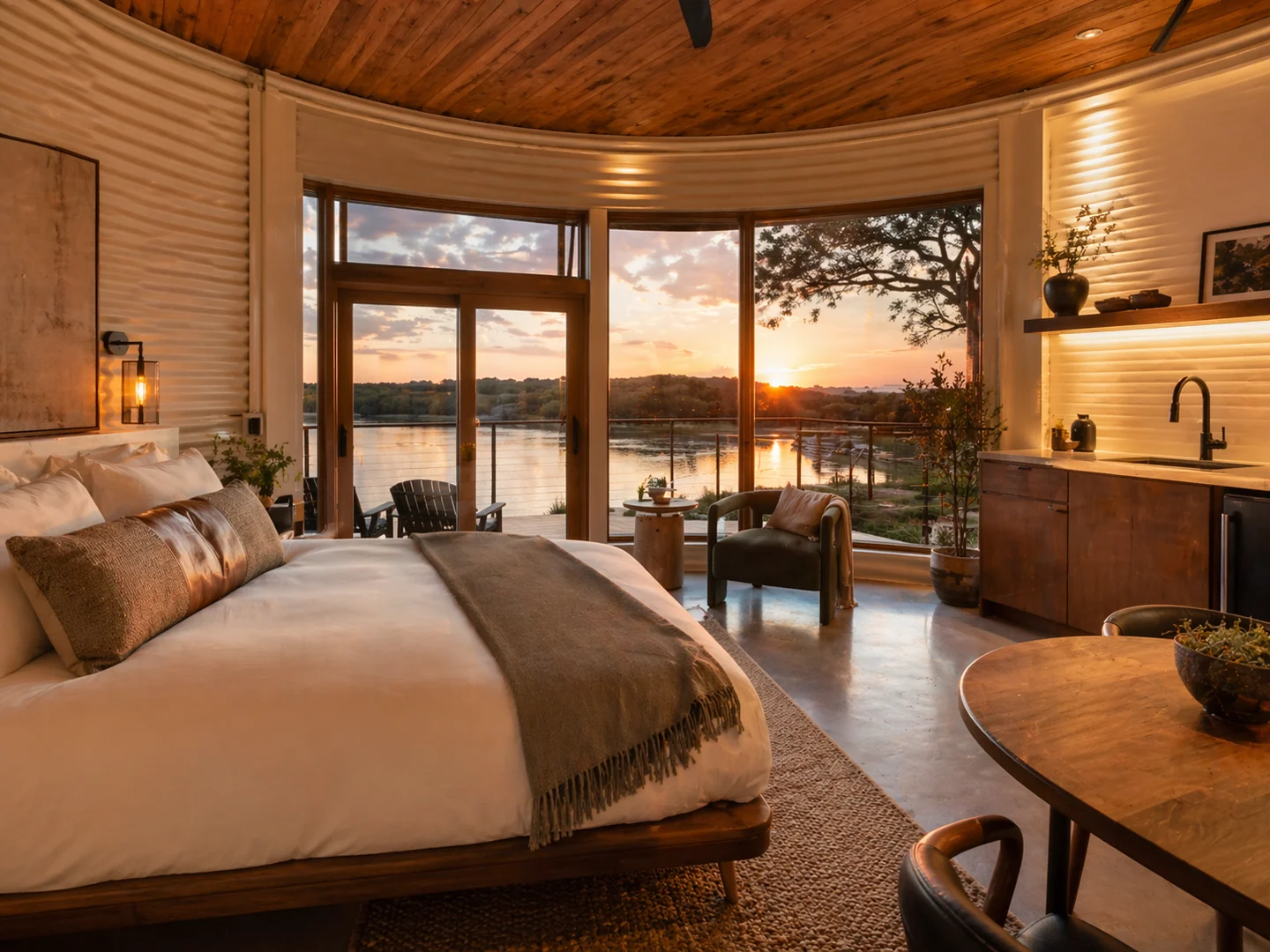
The property — current condition
These are real photos from the Still Haven property. The land already exists. The silos already exist. Phase 1 activates what is here.
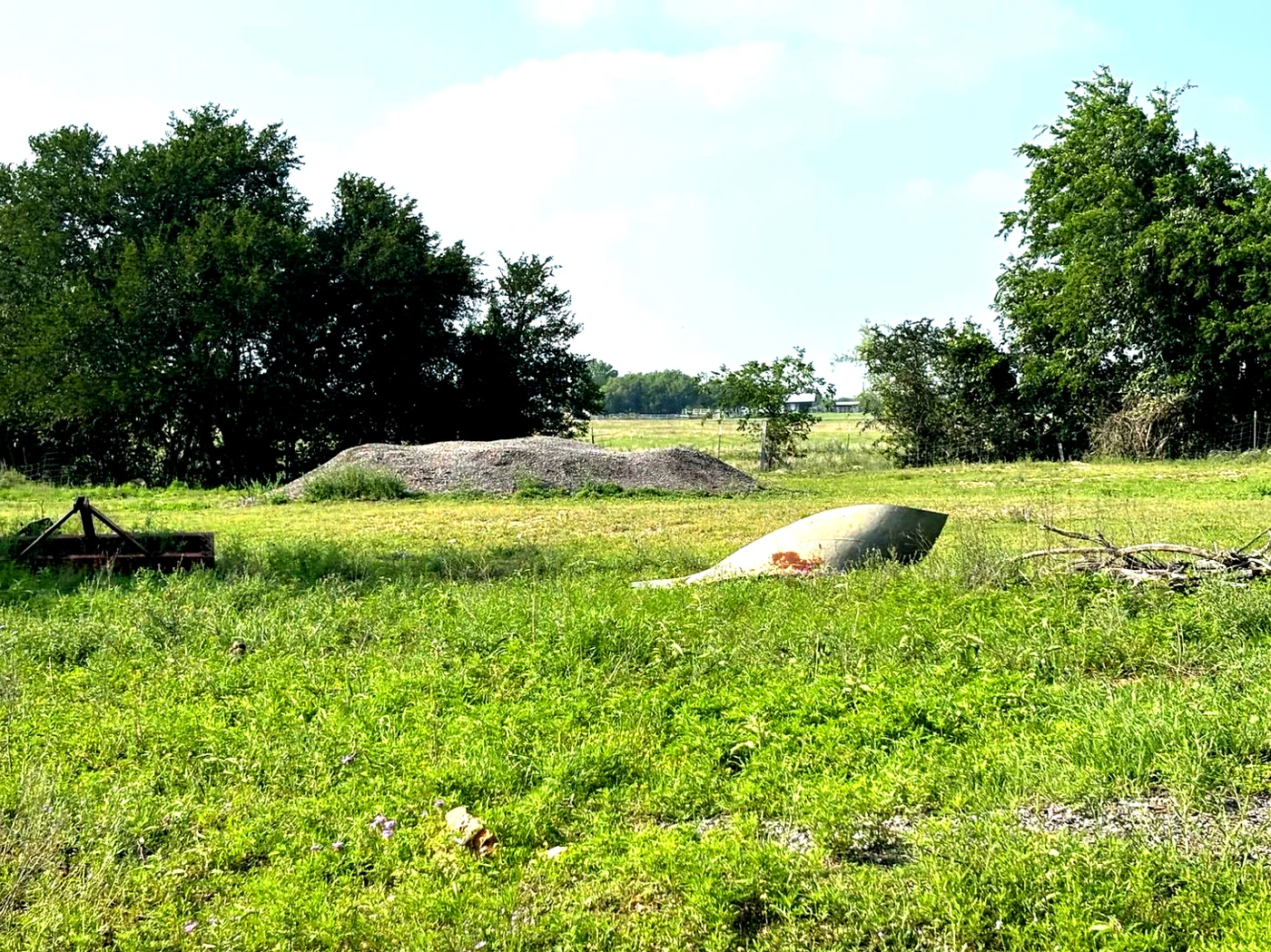 Silos on site
Both Phase 1 silo structures
Silos on site
Both Phase 1 silo structures
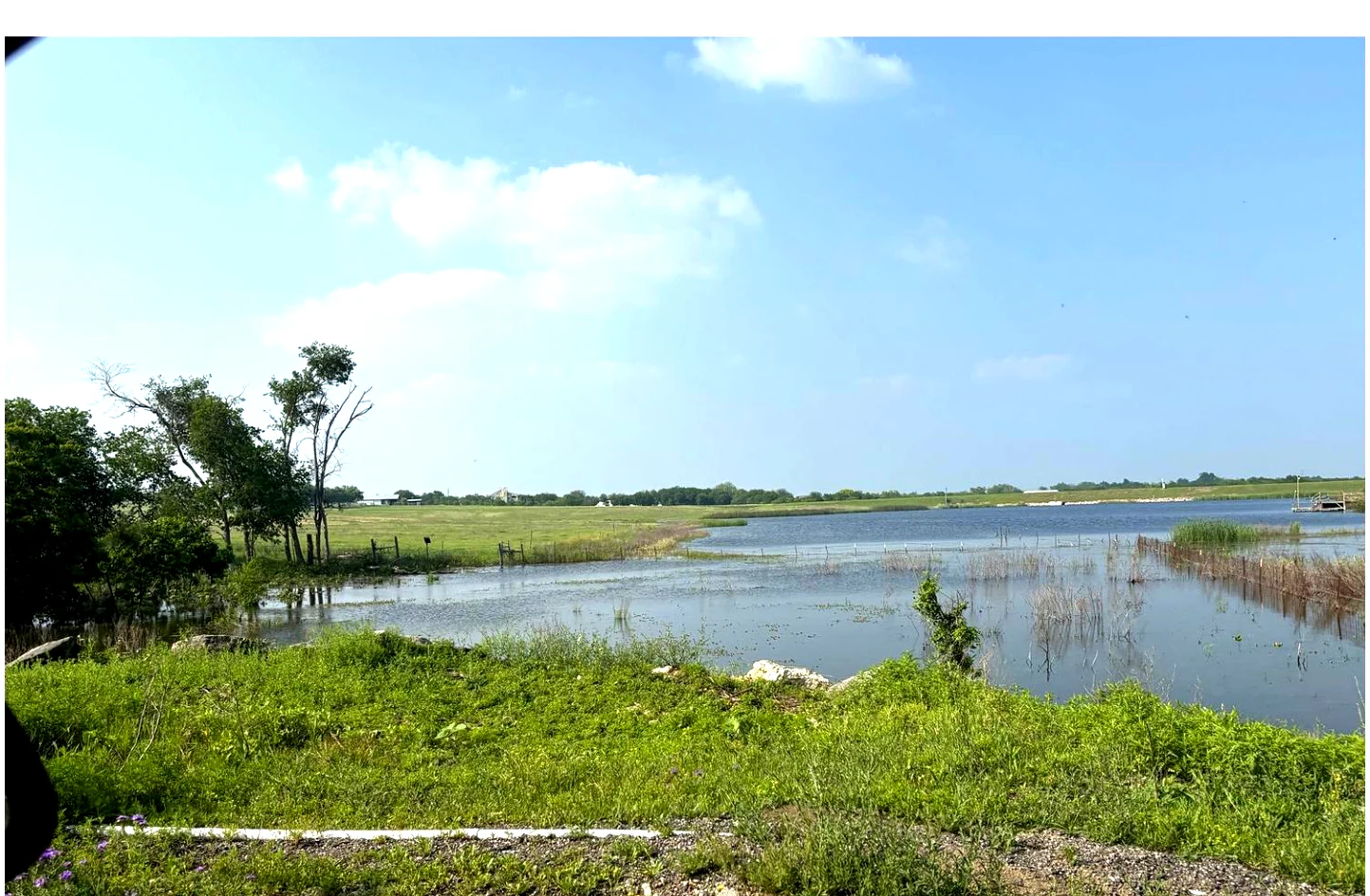 Water feature
 — scenic boundary
Water feature
Water feature — scenic boundary
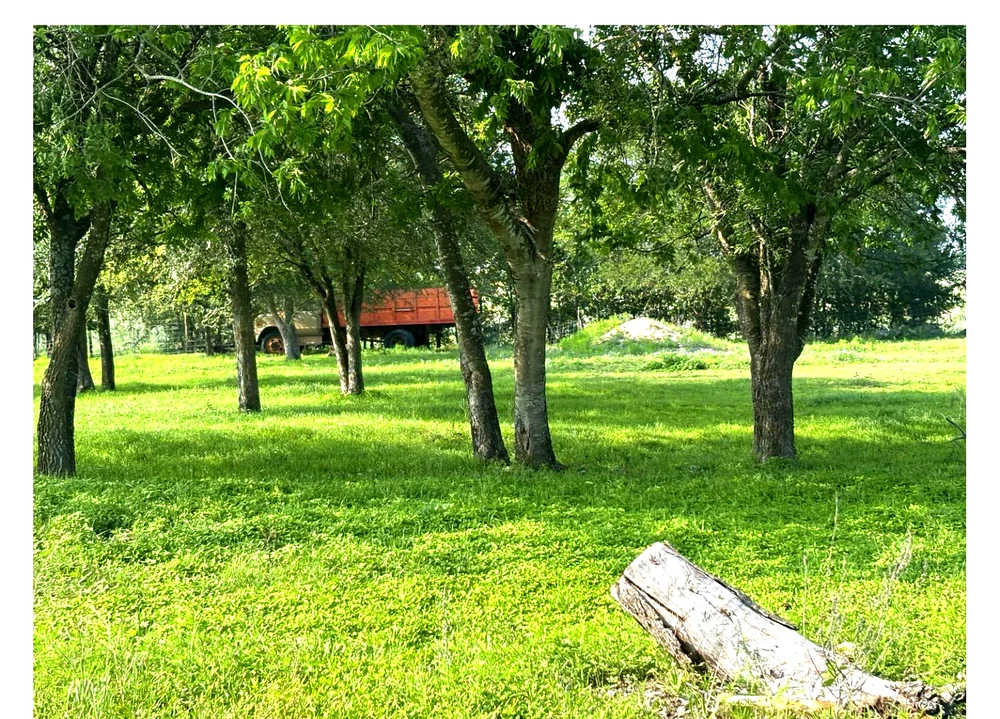 Silo + orchard
Silo through mature orchard
Silo + orchard
Silo through mature orchard
Founder story
Erin Wyrick is a U.S. Army Reserve veteran and founder of Still Haven LLC. Her vision for the property grew from personal experience with the need for calm environments that support rest, regulation, and recovery rather than more noise, pressure, or constant exposure to stress.
When she acquired the land in Central Texas, she saw a site that could support both a viable hospitality concept and a longer-term retreat model rooted in rest, nature, and dignity. The Silos at Still Haven are the first executable phase of that broader vision.
Mission background
The project is not presented as licensed clinical treatment. Its purpose is to expand the continuum of support with restorative lodging, outdoor space, predictable routines, and, in later phases, structured wellness programming delivered through appropriately qualified professionals or partners.
That distinction matters. It keeps the project honest about scope, helps funders understand what Phase 1 is actually trying to achieve, and strengthens trust that Still Haven is being built with restraint rather than hype.
Build principles
Still Haven does not present itself as licensed treatment. Future programming depends on qualified partners and the right compliance structure.
The Phase 1 target is two operational silo suites, not a fully realized retreat campus before the site has earned the right to expand.
The long-term mission is strengthened by responsible operations, measured outcomes, and a clearer earned-revenue base for future veteran access.
Who it serves
Post-9/11 veterans facing PTSD, moral injury, service-related stress, and the need for non-clinical restoration.
A critically underserved group identified in the capital request as central to the project's long-term mission fit.
Later programming can include spouses and families affected by secondary trauma and caregiver strain.
First responders and other trauma-affected adults may be included later, but veteran access remains the priority use case.
Program fit
Non-verbal attunement, nervous system regulation, and trust-building through horse interaction.
Rural setting, quiet outdoor space, and access to natural environments that reduce overstimulation and stress.
Structured farm activity, routine, and productive contribution as grounding mechanisms.
Somatic practices planned to support regulation and body-mind reconnection in later phases.
Veteran-to-veteran connection as a practical answer to isolation, shame, and disconnection.
Execution support
Erin Wyrick remains the operator accountable for moving the site from concept into Phase 1 execution.
Support includes equine therapy program training aligned with the longer-term restorative direction of Still Haven.
Phase 1 execution can draw on local contract business support as build scope is funded, scheduled, and verified.
The project does not claim final permitting or code authority beyond the qualified professionals and approvals required for each phase.
Continue review
The next best pages after About are the Funding page for the exact ask and the Documents page for the full packet structure. That keeps the mission human without vague inspiration.